
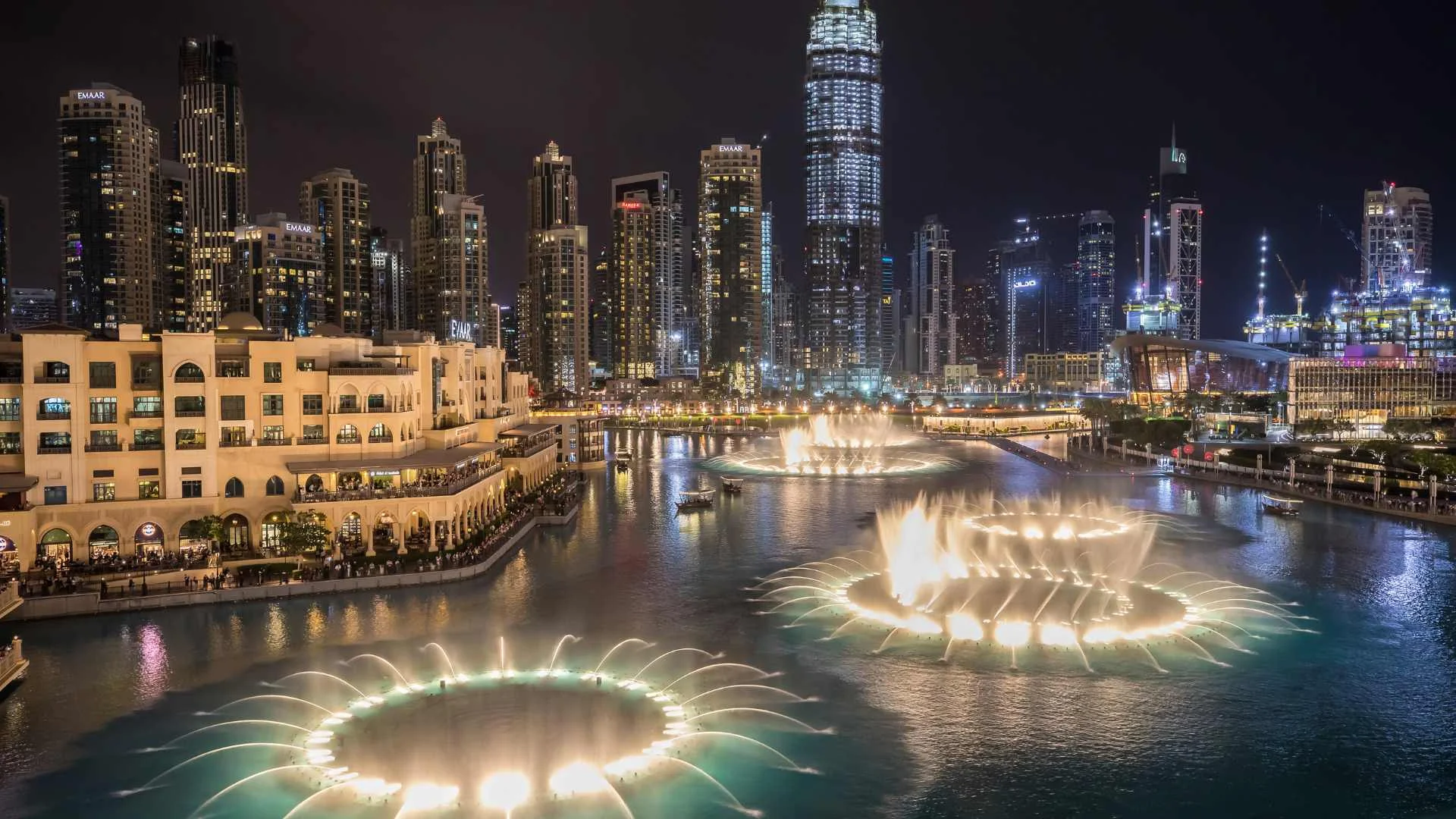
Etihad Rail Network and the Future of UAE Real Estate
The United Arab Emirates is entering a new stage when it comes to mobility, and at the core of this new reality sits the Etihad Rail Network. Beyond being a great example of engineering innovation, the railway is a genuine driver of change in transport and mobility, and it plays a significant role in shaping property markets across the seven emirates. For anyone who follows real estate and understands the importance of passenger rail, it is well worth knowing how this project affects property.
About the Etihad Rail Network
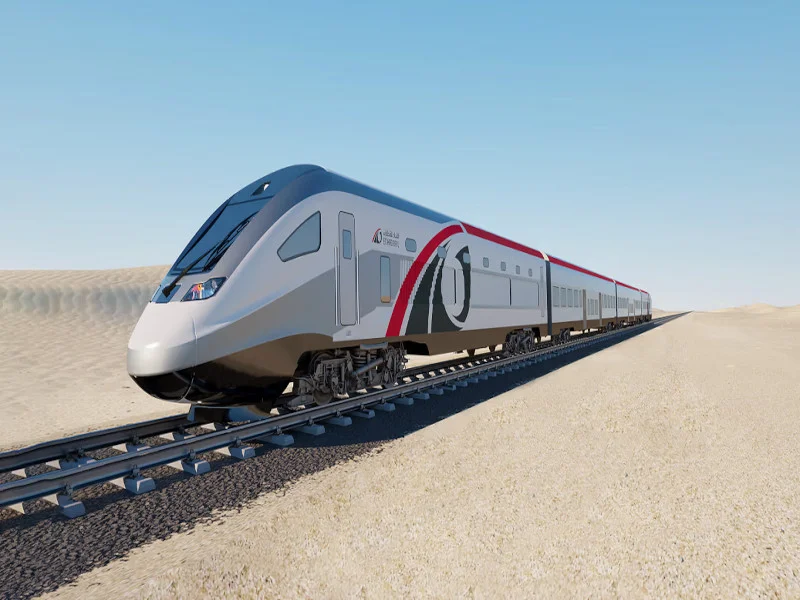
Etihad Rail is the UAE’s national railway, created to connect the seven emirates for the transport of goods and services, passenger mobility and much more. The passenger section of the network is expected to run a route of nearly 900 kilometres and cover eleven key areas of the country, including Abu Dhabi, Dubai, Sharjah, Ras Al Khaimah, Fujairah, Al Dhaid, Al Ruwais and Al Mirfa.
The numbers are impressive. A trip from Abu Dhabi to Dubai would take just 57 minutes, and a separate high-speed train, capable of travelling at up to 350 kilometres per hour, is planned to connect the two cities in around 30 minutes. Each train is expected to carry up to 400 people and comes fitted with charging ports, infotainment and onboard food and beverage service. The freight part of the network is already functioning and moving goods and supplies between cities, while the first phase of passenger transport is set to begin in 2026.
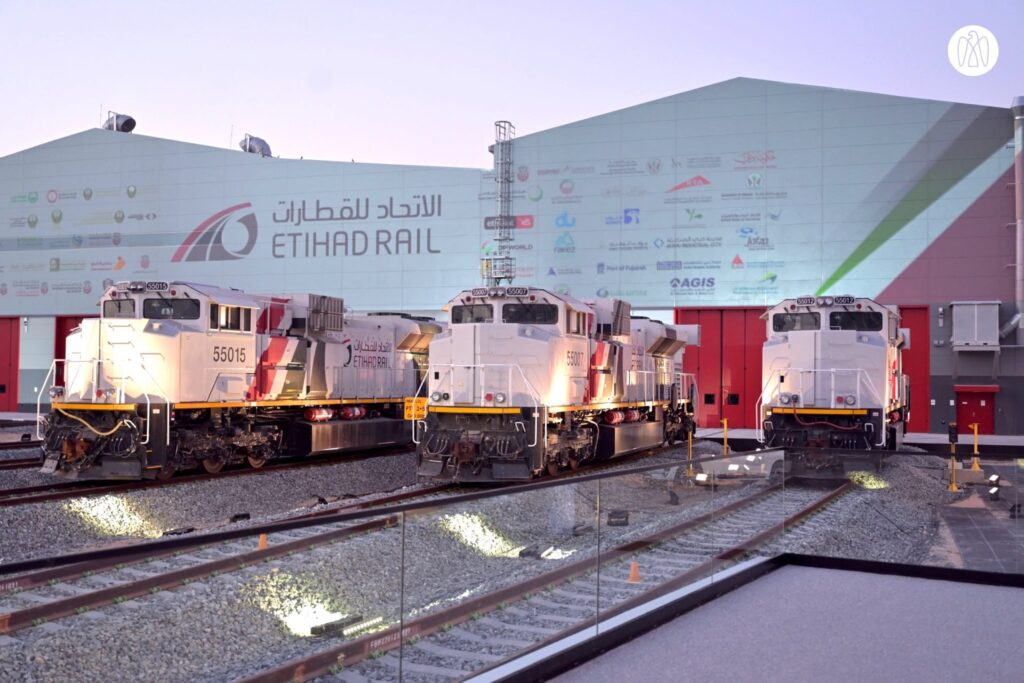
How Etihad Rail Is Reshaping Real Estate
There are several clear ways in which the railway influences the development of the property market. Firstly, when transportation improves, the market responds positively because demand rises. In practical terms, a property situated close to the railway gains extra value, so investors who recognise this early and buy ahead of others tend to achieve better results later. When residents and businesses no longer face the problem of poor transport links, more property investment flows into peripheral areas, which in turn helps those areas develop further.
Secondly, efficient transport makes it realistic to consider peripheral regions for investment, because the railway finally makes them accessible. At present many developers prefer to build in the city centre, which leaves some areas overcrowded while others remain underdeveloped. The railway changes that balance, creating a chance to invest not only in the city centre but also in more distant communities. Where a comfortable commute becomes possible, those areas also become more appealing to tenants, which is good news for anyone exploring our off-plan property options.
Finally, the Etihad Rail Network has a positive effect on the growth of greener cities. Developers along the route are increasingly adopting strategies built around energy-efficient design and sustainable building practices, aligning local projects with the wider direction set out in the Dubai 2040 Master Plan.
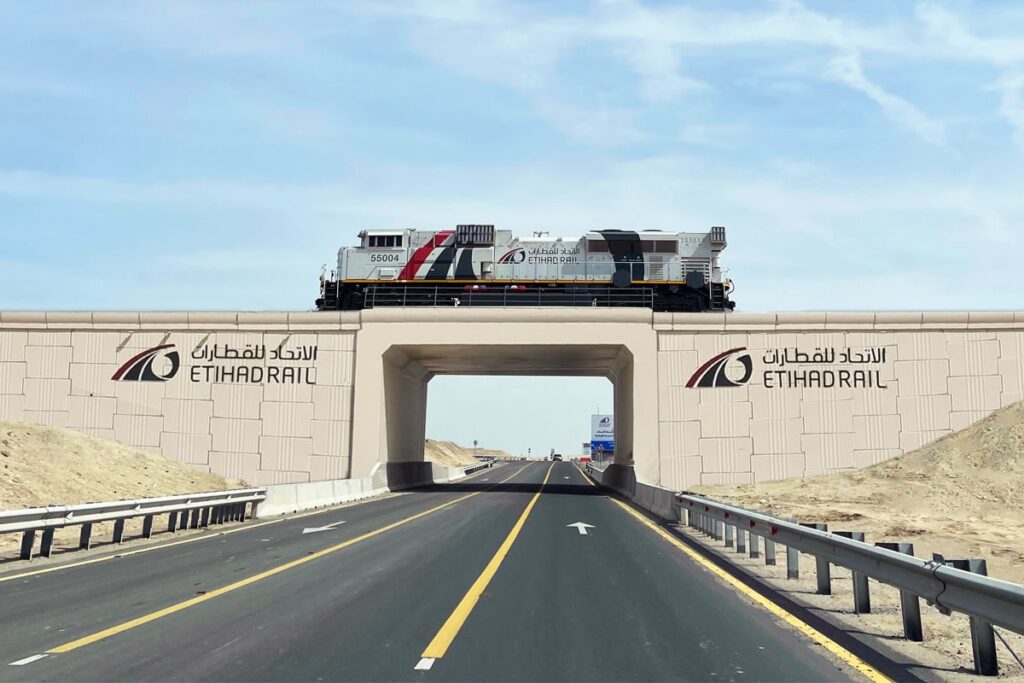
What This Means for Property Investors
Once the railway is fully operational, many changes will follow across the property market. Investors who understand the scale of its impact should pay particular attention to off-plan developments. Buying early gives them a chance to invest in the future: they secure properties at attractive prices today and stand to gain as the value of well-connected locations rises once stations come online. It is the same pattern Dubai’s metro corridors have already demonstrated. For those weighing up where to begin, it helps to browse current property listings and to read our Dubai real estate investment guide before making a decision.
Al Ranim Properties: Your Partner in a Changing Market
A good broker helps you navigate the property market with confidence. If you are looking to buy property in Dubai or in any other emirate of the UAE, our team is ready to help. Al Ranim Properties is built on client satisfaction, professionalism and full transparency at every stage of the process.
The Road Ahead
The Etihad Rail Network is far more than a transport project; it is a catalyst for transformation. By improving connectivity, opening up peripheral areas and encouraging sustainable, transit-focused communities, it is quietly redrawing the UAE’s property map. For developers, investors and homebuyers alike, the opportunities are real, and the time to understand them is now.
Frequently Asked Questions (FAQs)
When will the Etihad Rail passenger service launch?
The Etihad Rail passenger train service is slated to launch in 2026, while the freight network already operates across the country. The passenger network will serve eleven cities and major sites spread across all seven emirates.
How long will the train take between Abu Dhabi and Dubai?
The standard passenger service connecting Abu Dhabi and Dubai will run at up to 200 kilometres per hour, taking about 57 minutes to complete the journey. A separate high-speed line is planned to cover the same route in roughly half that time.
How does the Etihad Rail Network affect property values?
Better accessibility usually raises demand for homes and commercial properties near transport nodes. As a result, buyers find it easier to secure worthwhile investments, and developers gain new opportunities in previously overlooked peripheral regions.
Which cities does the Etihad Rail passenger network connect?
The passenger network runs through 11 cities and areas across all seven emirates, including Abu Dhabi, Dubai, Sharjah, Ras Al Khaimah, Fujairah, Al Dhaid, Al Ruwais and Al Mirfa, spanning roughly 900 kilometres between Al Sila and Fujairah.
Should I invest in property near Etihad Rail stations?
Properties close to transport routes tend to show stronger demand and long-term appreciation. Off-plan projects near the rail route can offer good value at reasonable entry prices, provided you research thoroughly and consult a knowledgeable agent first.
